
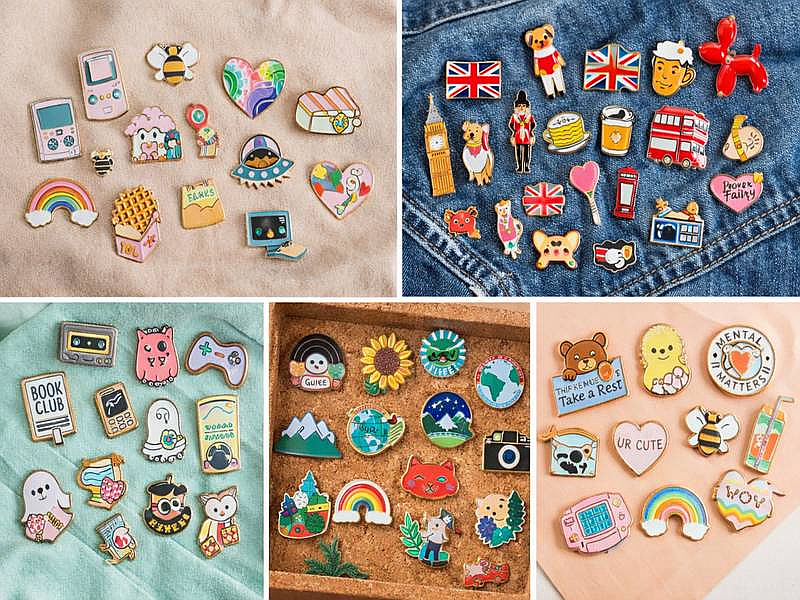
Soft Enamel Vs. Hard Enamel: Which One Is Best For You?
The most popular question raised when making custom enamel badges is what the difference is between hard enamel pins. Whether you are picking enamel pins for custom merchandise, exclusive gifting, or for an individual, understanding the difference between soft and hard enamel badges is crucial.
The simple, secret answer is that hard enamel is perfect for those who want a flat, polished jewelry-type surface for emblems. Soft badges are ideal for those who want a 3D look with a raised-texture metal finish. This guide is going to take you through the difference of soft and hard enamel and which is best to choose.
What Are Soft Enamel Pins
Soft enamel pin badges are the most popular three-dimensional and cost-effective pins with textured metal. It features raised texture and fine lines with recessed enamel-filled areas. These pins offer a 3D raised appearance with high design versatility, allowing for intricate details.
You can pick the rainbow metals for these pins, which allow for the integration of vibrant colors and unique finishes. Soft enamel pins are perfect for branding, merchandising, and collecting.
What Are Hard Enamel Pins
Hard enamel offers a smooth, flat, polished surface with high-quality, durable pins. It is often referred to as the jewelry and glass-like flat finishes. Colored enamels are applied to the metal mold and baked at high temperature separately. They are polished professionally and are scratch-resistant. They are ideal for high-end and intricate designs and are long-lasting.
Manufacturing Difference
The main difference between the two pins is the difference in the manufacturing process.
Hard Enamel Pins: The colored enamel is overfilled and allowed to set. Once it gets set, it is polished and ground to flatten the surface. It feels like a soft, smooth coin, with the enamel and metal completely flush.
Soft Enamel Pins: The colored enamel is recessed but not filled to the metal line. Once the enamel sets, it’s baked. The results are the feel of metal lines, as the enamel is set lower than the megal lines for a rigid, tactile feel.
Premium Aesthetics
Hard enamel pins are the standard for distribution as corporate gifts, industry awards, and anniversary awards. The surface of these custom pin badges UK is soft and polished, making the lines smooth, crisp, and clean. They provide a high-value and professional appearance as the light reflects off the surface.
Most of the artists prefer soft enamel pins due to their vintage look. The light on the soft enamels reflects differently due to the textured metal lines, creating depth and contrast. Consider these pins as strong contenders for a soft pop look.
Durability of Enamel Badges
Durability is important, but you should know where and how often you will wear the enamel badges.
Hard Enamel: The surface of the hard enamel pins is smooth and resistant to scratching and impacts. If you want to wear them daily on jackets, t-shirts, or backpacks, these are the ideal ones.
Soft Enamel: They are durable, but the raised texture and metal lines can lead to friction and wear. It is recommended to choose soft ones for occasional wear or collectible boards.
Cost Of Enamel Pins
The cost of soft enamel pins is slightly lower than that of hard enamel badges, typically $0.20-$0.50 lower. Soft enamel is great-looking and textured, offering a charming appearance. It also allows for a versatile selection of shapes and sizes, cost aas low as $0.35 per pin.
Hard pins have a smooth, premium quality, offer a luxurious feel, and belong to the top-grade level. It is widely used as a company lapel pin and costs as low as $0.55.
Which One Is Best For You
Choosing the right style of enamel pins depends entirely on the type of your projects and their intended use.
- Choose soft enamel pins for the art, merch, or low budget. It can be sold easily at a profit and is preferred by artists.
- Pick the best quality hard enamel pin badges for a premium and luxury quality with a refined look for executive gifts and corporate branding.
- Hard enamel is perfect for attaching to jackets and backpacks, as its superior quality and durability prevent easy scratching.
- For raised lines and intricate designs, opt for soft enamel pins, as polishing hard enamel can blur fine lines.
Key Differences At A Glance
| Feature | Soft Enamel | Hard Enamel |
| Surface Feel/ Texture | Raised, textured metal edges | Glossy, smooth, and flat |
| Durability | Moderate, best for daily wear | High, scratch-resistant |
| Cost | Budget friendly | High cost |
| Best Detail | Perfect for fine lines | Best for simple and bold design |
| Best For | Artist merch, tight budget, retail | Corporate, awards, luxury |
Frequently Asked Questions
Are soft enamel pins actually soft?
No, both types of enamel pins are made of metal and are very rigid. The term “Soft Enamel” refers to the enamel being partially filled on the already filled colored enamel to create a raised texture and fine lines.
Why are hard enamel pins more costly than soft ones?
Hard enamels are most costly due to their intensive and multi-step process. Each color of enamel is baked separately at high temperature, and manual polishing ensures a flat surface.
Can I use colored or black metal for hard enamel?
No, it is not generally recommended to use the colored metal or the black one due to the intensive polishing required. It can ruin plated finishes, including black and multi-color finishes. Better to choose soft enamel for black or rainbow metal finishes.
Wrapping Up!
Choosing between the hard and soft enamel pins requires understanding the understanding of the differences between both to pick the right one. Hard enamel badges are made by recessing the enamel to the top and then polishing it for a flat, smooth surface, while soft enamel is filled lower than the metal lining for a raised, textured feel.
Soft enamel offers a popped look, while hard enamel reflects the soft, premium, and professional look. The durability of hard badges is higher than that of soft enamel due to their smooth, refined texture and scratch resistance. The cost of hard pins is high due to the intensive labor for filling, baking, and polishing. Choose soft enamel pins for a low budget and intricate designs, while opting for hard enamel pins for corporate gifts and corporate daily wear.